Whoa! Seriously? That tiny metal card changed how I think about keeping crypto safe. At first glance it looks almost toy-like, but the first time I tapped it to my phone and saw my address appear, something felt off in a good way—like, why didn’t this exist earlier. My instinct said this was going to be simple, maybe too simple. Initially I thought a card couldn’t replace my Ledger for serious use, but then realized the Tangem approach solves a different problem—one focused on everyday, low-friction custody.
Here’s the thing. The Tangem card family (hardware NFC cards) pairs with the Tangem app on iOS and Android, letting you manage keys without cables or batteries. It’s just tap—sign—done. I’m biased, but the UX is pleasingly minimal, which matters when you’re not a device geek and you want to move fast. On the other hand, minimal can hide trade-offs that matter to power users, though actually, wait—let me rephrase that: the trade-offs show up in backup and multi-sig strategy choices, not in day-to-day taps.
Hmm… the security model is worth unpacking. The private key lives inside the card’s secure element and never leaves; that sounds familiar if you’ve used a hardware wallet before. Medium-level explanation: when you sign a transaction, the app sends a request via NFC, the card signs it, and the signed payload returns to the app. Longer view: because the card is passive (no battery), it’s durable and convenient, but it also shifts the responsibility for physical custody more squarely onto you, which is both empowering and nerve-wracking depending on who you are.
Okay, so check this out—practicalities matter. The Tangem app supports dozens of chains and tokens, and pairing a new card is mostly painless. There are a couple of dialogs where my brain wanted extra reassurance (like confirming the card’s serial and wallet fingerprint), and I wish those confirmations were more prominent. Still, day-to-day use is smooth: tap to sign, confirm on-screen, swipe away. The card feels like a contactless credit card, except it’s holding a private key instead of a Visa number.
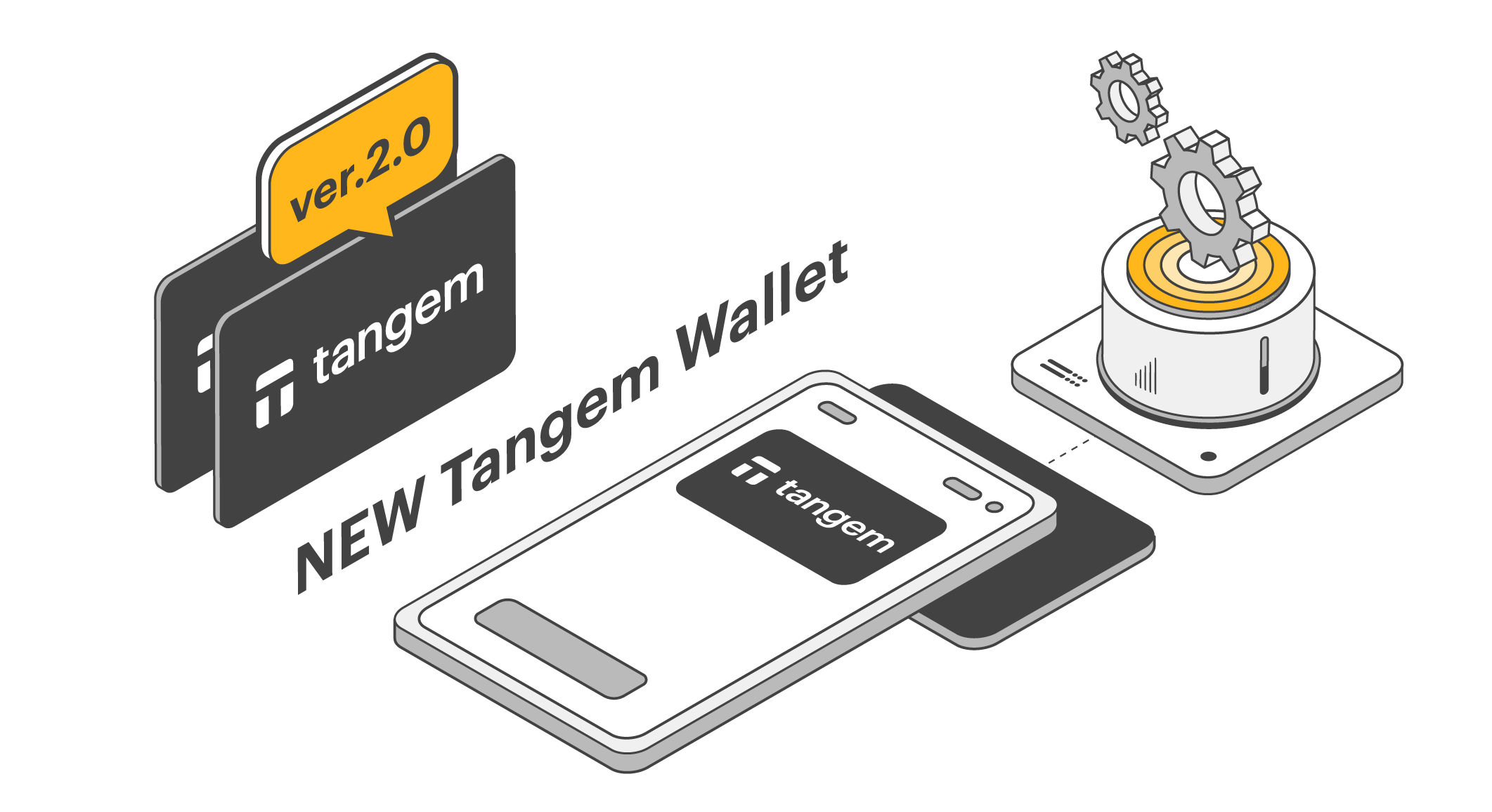
Real-world strengths and the annoyances that follow
Short version: portability and simplicity win big. Medium detail: the card fits in a wallet, it’s durable (stainless steel variants exist), and there’s no battery to die or firmware to maintain the way a full node wallet might demand. Longer thought: for someone who wants to separate keys from a phone but still keep them handy—say, to spend on-the-go or to sign transactions while traveling—the Tangem card nails that sweet spot of convenience versus security, though it is not the same threat model as an air-gapped, multi-device setup aimed at institutional custody.
I’ll be honest—what bugs me is backup. Tangem offers different card types and recovery options (some support backup or seedless recovery schemes), but it’s not as straightforward as writing down a 12-word phrase and storing it in a safe. If you lose the card, recovery depends on the product variant and how you provisioned it. So, plan ahead. Seriously. Buy a backup card. Yes, really.
On the topic of provisioning: if you buy a single Tangem card and initialize it as a single-signer wallet, treat that card like cash. On the other hand, there are workflows for creating multi-card setups and using Tangem in combination with other security layers, which makes the system more resilient though also more complex. Initially I thought the card’s simplicity precluded sophisticated setups, but then I dug into Tangem’s documentation and community examples and found viable multi-card and enterprise patterns that actually work.
Something that surprised me was the app’s support matrix. It integrates with many blockchains and some dApps through WalletConnect-style patterns, and the UX for token swaps or sending NFTs is pretty clean. My experience wasn’t flawless—every once in a while an app update or OS-level NFC permission hiccup required a restart or a re-pair—but these felt like phone problems, not card problems. Somethin’ to keep in mind: NFC behaviors vary by device and Android skin, so your mileage may vary.
When to choose Tangem — and when not to
Choose Tangem if you value physical simplicity and mobility, and you want a low-friction hardware key that fits in a wallet pocket. It’s great for frequent signers who dislike cables, dongles, and devices that need charging. If you travel a lot, the card’s passive nature and durability are real perks. On the flip side, don’t pick it if you need a full-featured device with a big screen for transaction review, or if your threat model demands isolated, air-gapped signing with multiple devices and manual seed custody.
On one hand, Tangem makes custody approachable. On the other, you must accept physical custody responsibilities (and the complexities of backup). My working rule now: I use a Tangem card for daily spending and less critical funds, while keeping a separate, more conservative cold-storage setup for long-term holdings. This hybrid approach balances convenience and risk.
Also, price: Tangem sits competitively between cheap keycards and pricier hardware devices. You’re paying for a polished form factor and secure element engineering more than a flashy UI, which I appreciate. There’s a community and growing ecosystem around the card too, which helps when you want to integrate with wallets or services that already support Tangem.
Something else—support and updates. Tangem’s app gets updates and the company engages with the community, but they don’t pester you with marketing. That suits me. If you’re the paranoid sort who wants open-source firmware audits and constant on-chain verifiability, you might ask sharper questions; Tangem publishes technical docs, though not every piece is open-source in the way some hardware wallet communities demand.
FAQ
How does the Tangem card actually sign transactions?
The card contains a secure element that holds the private key; the Tangem app sends a transaction payload over NFC, the card signs it internally, and the signed transaction is returned to the app for broadcast. It’s contactless and the key never leaves the card.
What if I lose my Tangem card?
Depends on how you set it up. Some Tangem products have backup and recovery options, while others are single-card, no-backup by design (intended to be treated like cash). The safest route is to provision multiple cards or use Tangem in a multi-sig scheme—plan that ahead.
Can the Tangem app work with other wallets or dApps?
Yes. The app and the cards support integrations and common wallet standards; they can connect to dApps via mobile linking or WalletConnect-like bridges. Check support for your specific chain and dApp before committing large funds.
Okay—final, fast thought: if you want the tactile comfort of a physical key that fits alongside your driver’s license, and you like the idea of tapping to sign, then the Tangem ecosystem deserves serious consideration. I’m not saying it’s perfect—there are trade-offs and it requires a thoughtful backup approach—but for everyday crypto use it makes hardware security feel like an unobtrusive part of life. Oh, and by the way, if you want a quick primer or to grab a card, see the tangem wallet link for details on models and app support: tangem wallet.
дизайн одноэтажного дома дизайн проекты домов коттеджей
дизайн прихожей в квартире дизайн двухкомнатной квартиры 60 кв м
подключение полотенцесушителя купить полотенцесушитель водяной
Terra Select – Organized design, moving through sections was smooth.
explore platform – Noticed this site, everything feels organized and intuitive to use
visit blossom store – Nice branding, curious what products will appear over time.
visit the hazelmarket hub – Bright layout, shopping felt effortless.
vendor hub homepage – Organized pages make it easy to find products
Wheat Brook Deals – Checked the site and the pages feel organized and easy to read.
check out this store – Just scrolling briefly, navigation feels easy and layout is simple.
Wheat Cove Deals Online – Browsed briefly, the pages are nicely structured and easy to understand.
clover crest shop – Scrolling around, layout feels neat and intuitive.
Wild Orchard Treasures Hub – Pages are clean, and information is presented clearly and concisely.
Bazaar Treasures – Stumbled upon this page, sections are neat and easy to follow.
marketplace outlet site – Browsing is smooth, with easy-to-read text and clear sections.
official link – Pages flow nicely, content is easy to follow.
echoaisleemporium – Just discovered this site, layout feels clean and easy to browse.
Wild Stone Shop Hub – Quick visit shows the website is simple and well structured.
official outlet page – This brand feels composed, inviting, and memorable.
coast harbor marketplace – Spent a few minutes, page design appears clean and well arranged.
Brook Shop – Checked out this page randomly, content is clear and sections are well laid out.
learn more here – Layout is neat, scrolling through content feels natural.
browse silkharbor – Pages are tidy and reading through content is simple.
explore more here – Smooth design, very easy to read and navigate through content.
Wind Brook Select – Pages appear organized and easy to explore.
Golden Hub – Stumbled on this site, layout is clear and reading feels natural.
click here – Interface is minimal, pages feel organized and tidy.
silkmeadow store online – Pages flow well, and content is readable.
fernvendorstudio – Came across this site randomly, content seems helpful and clear.
Wind Harbor Treasures Hub – Enjoyed exploring, pages are straightforward and easy to read.
Emporium Shop – Found this site by accident, sections are clear and navigation is smooth.
Browse WalnutWarehouse – Found this platform recently; the design keeps everything tidy and simple to navigate.
visit their site – Navigation is clear, pages are easy to follow.
silvermeadow store page – Sections are well defined, making browsing natural.
Nature Treasures – Came upon this page randomly, the writing and layout are easy to digest.
check this site – Pages are well-organized and easy to browse.
Treasure Teal – Lightweight pages make navigating content comfortable.
Wood Cove Treasures – First glance shows the website is simple and readable.
Market Treasures – Stumbled upon this page, navigation is smooth and sections are clear.
Granite Bazaar – Landed here casually, layout is simple and reading is easy.
Open WaveCrate – Just noticed this site; navigating feels seamless thanks to a clean design.
explore more – Navigation is clear, scrolling between content is comfortable.
silverstone website – Navigation is straightforward, and content is easy to digest.
coppercoveemporium – Nice little discovery, layout is tidy and easy to navigate.
browse here – Clear layout, very comfortable to read through.
discover more – Pages are organized neatly, browsing is smooth.
Trail Finds – Clear structure ensures smooth navigation through the site.
Frost Finds – Browsed randomly, layout is neat and content flows well.
Harbor Hub – Stumbled on this site, layout is clean and reading is effortless.
Wood Stone Online – Enjoyed checking the site, everything appears simple and informative.
Check WestCrate online – Just came across this site; layout is tidy and browsing is fast.
quick visit – Content is readable, navigating the site is effortless.
skybrook marketplace – Navigation flows easily, and sections are well defined.
district link – Clean structure allows comfortable browsing.
shop link – Well-structured pages, very comfortable to explore.
Frost Hub – Landed here unexpectedly, information is neat, organized, and easy to follow.
Stone Gems – Intuitive layout makes navigation easy and stress-free.
Stone Picks – Just discovered this page, everything is clear and easy to digest.
Bazaar Market – Found this page unexpectedly, layout is tidy and user-friendly.